
About your Simi Valley insulation contractor
Why I started this business
I spent years as the right hand to another insulation contractor, running crews and writing estimates. Along the way I found I liked explaining the work as much as doing it, so in 2023 I started my own insulation business in Simi Valley. Most people who call us have a hot upstairs or a drafty room over the garage. Others just bought an older house and want to know what's above the ceiling.
I care that you understand your own house. If I can't explain why a step is needed in plain words, it doesn't go on the estimate. That's also why we do attic work in the right order. We're fully licensed and insured, based in Simi Valley, and we work across the cities around it in Ventura County and the nearby parts of Los Angeles County. You can see everything we do on our home page. If you're not sure we cover your city, just ask.
- Fully licensed and insured.
- Free estimates at your property.
- Expect a reply within 1 business day.
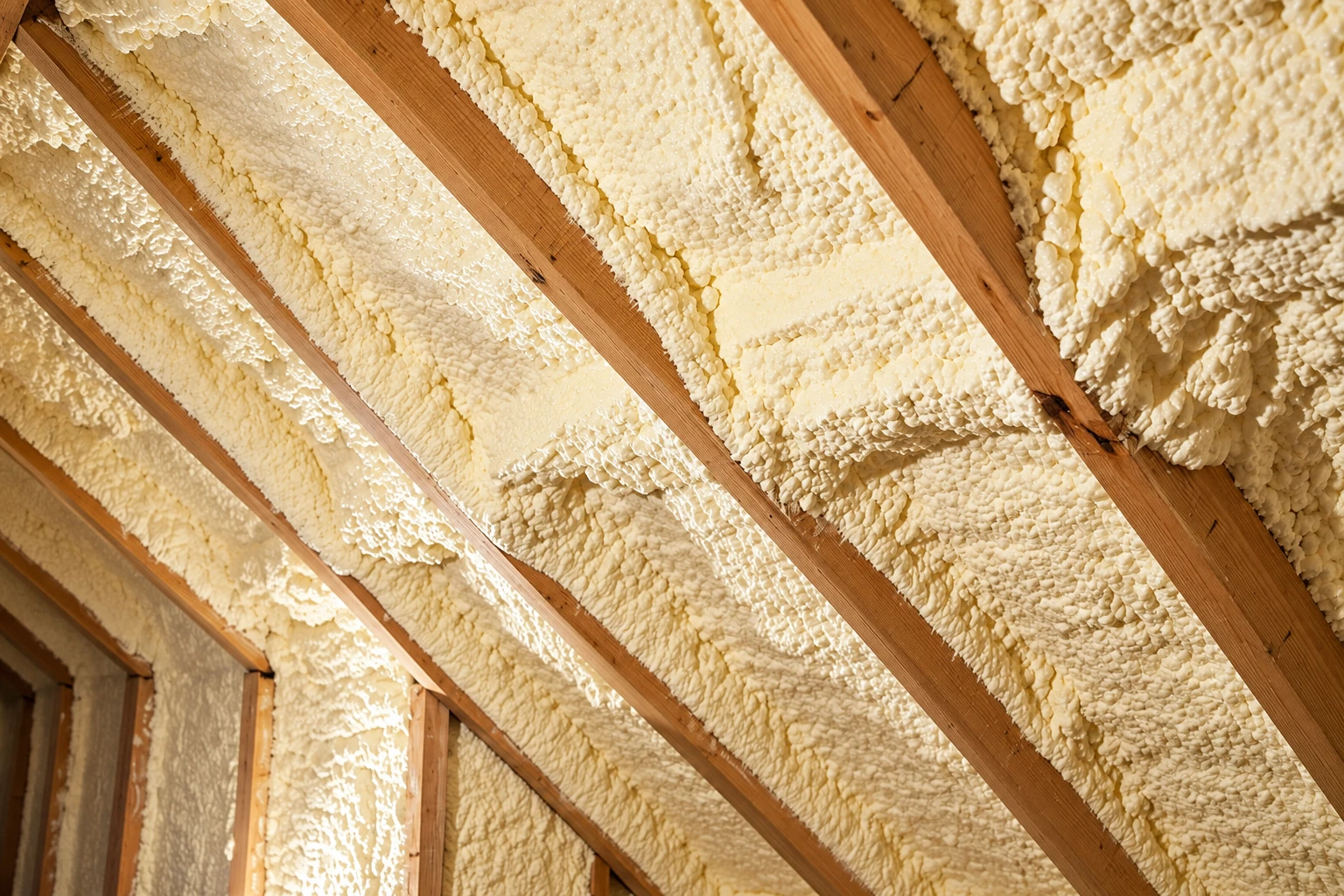
What careful insulation work looks like
What you can expect from us
I do your estimate myself
I come out to every estimate, take photos of what's up there and walk you through them in plain words, so you understand your house before you decide anything. Then I put the scope in writing.
Problems show up before the quote
We check for roof leaks, old wiring and suspect insulation before we quote, so problems show up on paper instead of halfway through the job. If a leak or old wiring needs fixing first, I'll tell you rather than cover it up.
Gaps sealed before insulation goes in
We do air sealing first, closing the gaps around can lights, pipes and the attic hatch, so the insulation you pay for isn't fighting a draft. When a tighter house has gas appliances, we point out the ones that should get a venting check so the house stays safe as well as warm.
How we handle the work in your attic
Measure first
We check how many inches are already up there and what shape they're in, since the old insulation tells us a lot about what the attic needs.
Old mess out
If the old material is soaked or full of droppings, we take it out instead of burying the problem under fresh insulation.
Vents kept clear
We keep the eave vents open so the attic can still breathe and moisture doesn't collect in the framing.
Edges filled
We bring coverage all the way out to the edges, where it's usually thinnest, instead of piling it deep in the middle.
Final look
We clean up around the hatch and the rooms below, and I look over the work before we call the job done.