
Basement insulation in Simi Valley CA - a warmer basement that doesn't trap moisture
A cold, damp-feeling basement or chilly floors above it? We insulate it so the room stays comfortable and the walls can still dry.
Request an estimate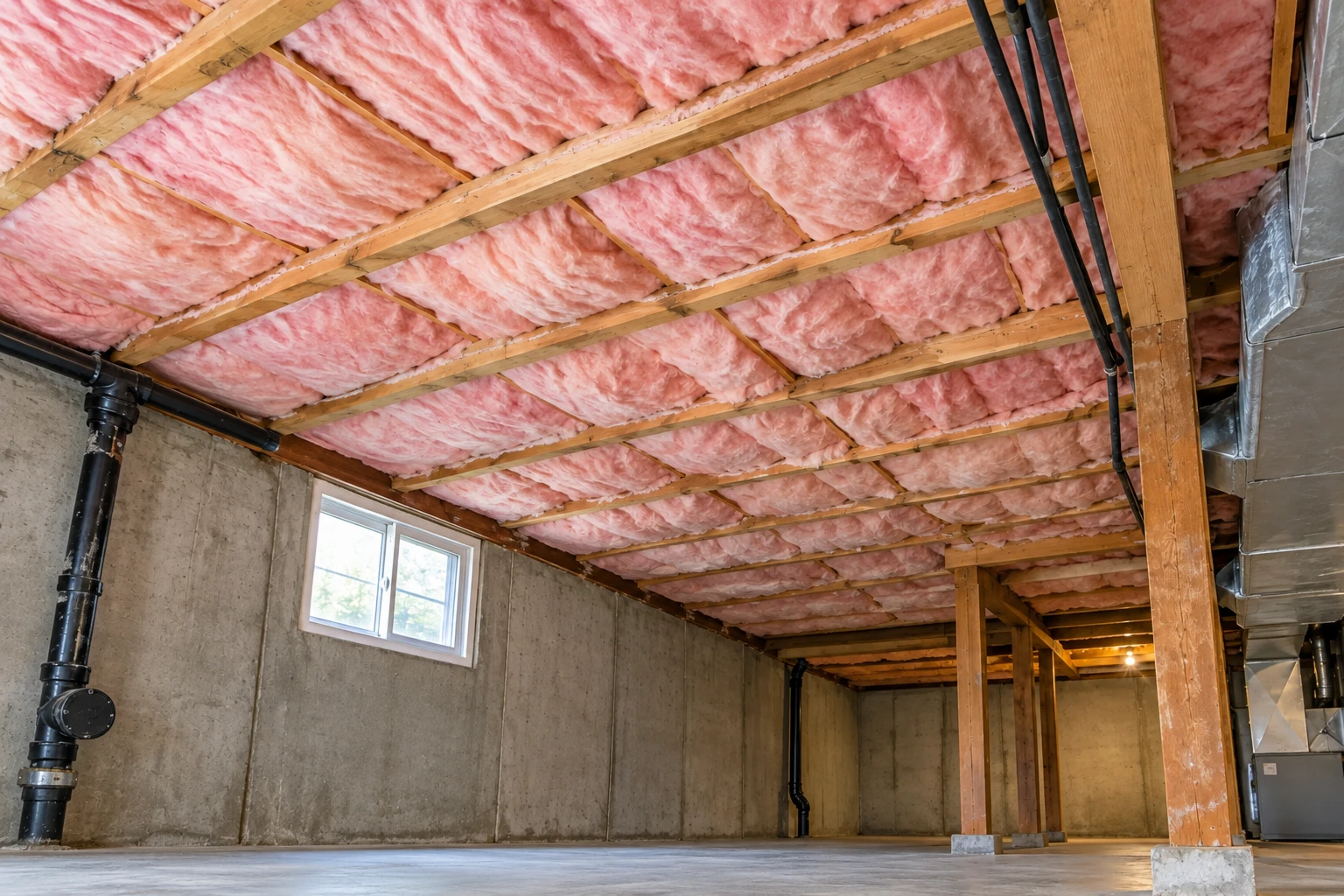
Where should basement insulation go, and what does it do for you?
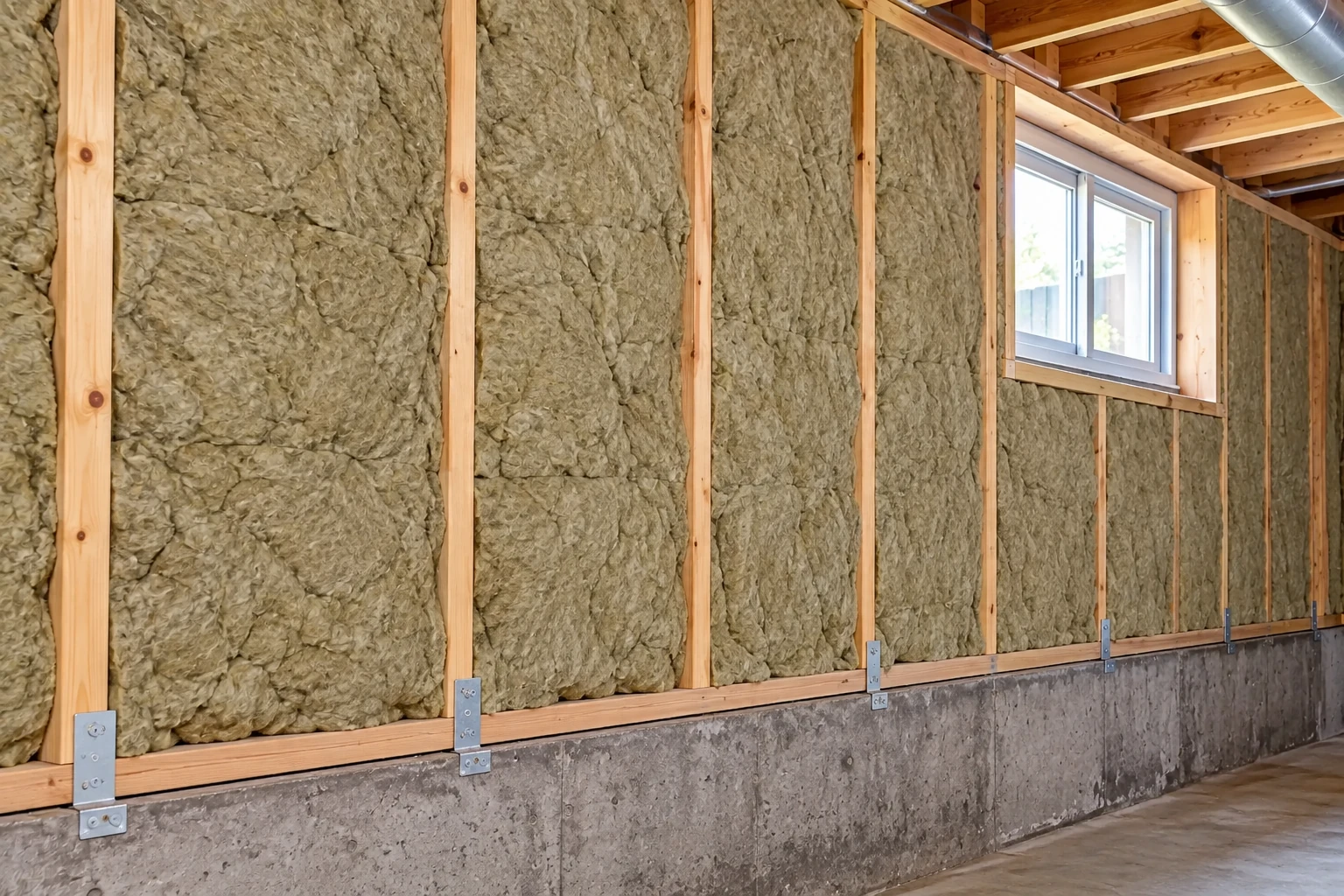
Basement insulation in Simi Valley means adding insulation to the basement walls or to the underside of the floor above, so the space holds its temperature and less noise carries up into the house.
Most basement calls start with a room that never feels warm, a floor upstairs that's cold underfoot, or a musty smell nobody can place. The price mostly comes down to how many square feet you're covering and whether we insulate the walls or the floor above. The schedule turns on what we find about water first, because a damp wall gets fixed before anything goes on it. I walk the space with you at the estimate and put the scope in writing, so you see your own figure before any work starts.
How we handle basement insulation
I start every basement by looking for water, because insulation over a damp wall just hides the problem until it shows up as a smell or a stain. We check the walls and floor for staining and look at where the gutters and the slope of the yard send rain, and if there's a leak or a drainage problem, I'll tell you to fix it first. Then we settle the big question, walls or floor, and pick materials that let the foundation wall dry out instead of sealing damp in behind a finished room. Our crew seals the gaps around pipes, wires and the rim joist, the wood band sitting on top of the foundation, before any insulation goes in, since insulation can't stop air that leaks around it. Then we install, clean up, and I look over the work before we finish.
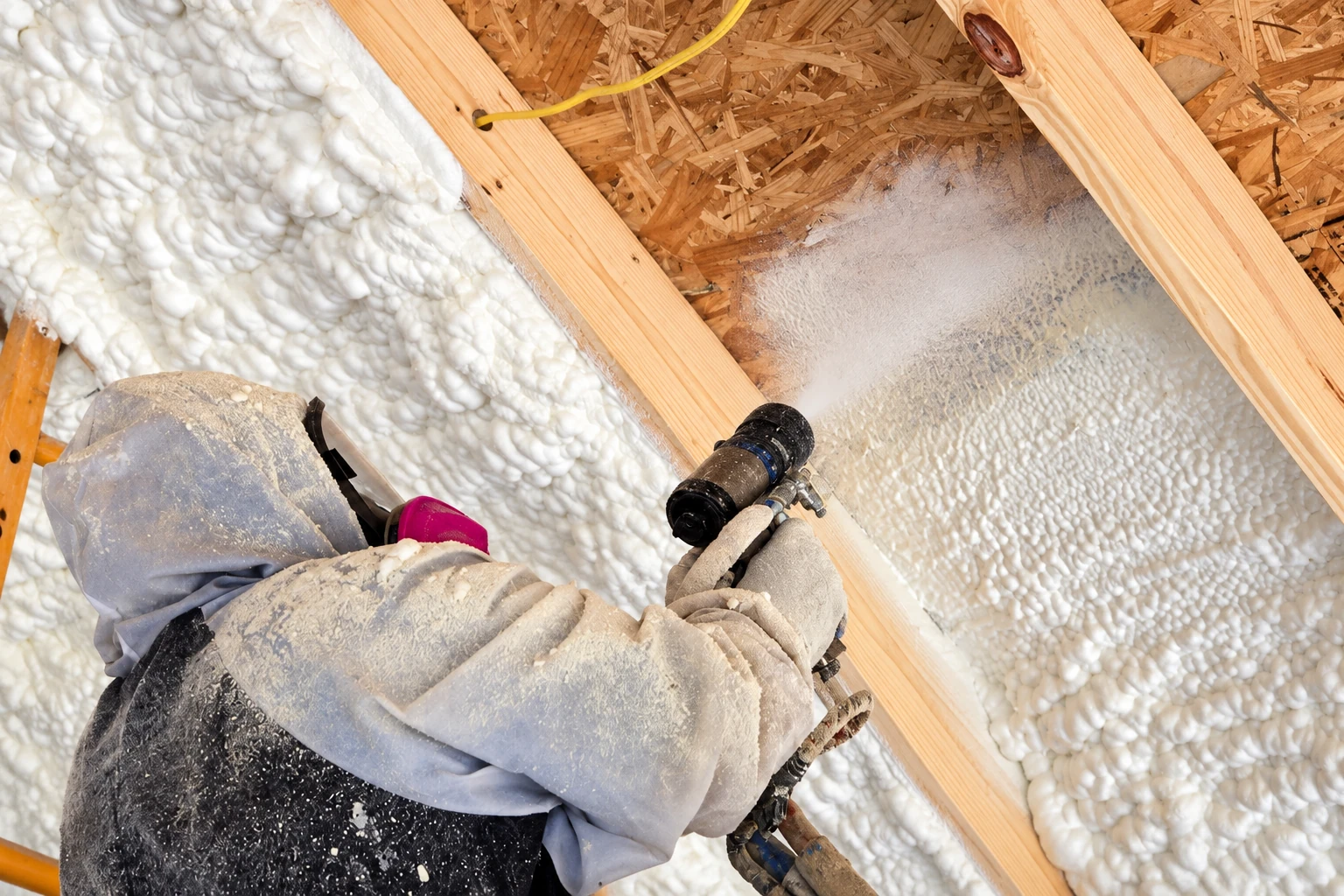
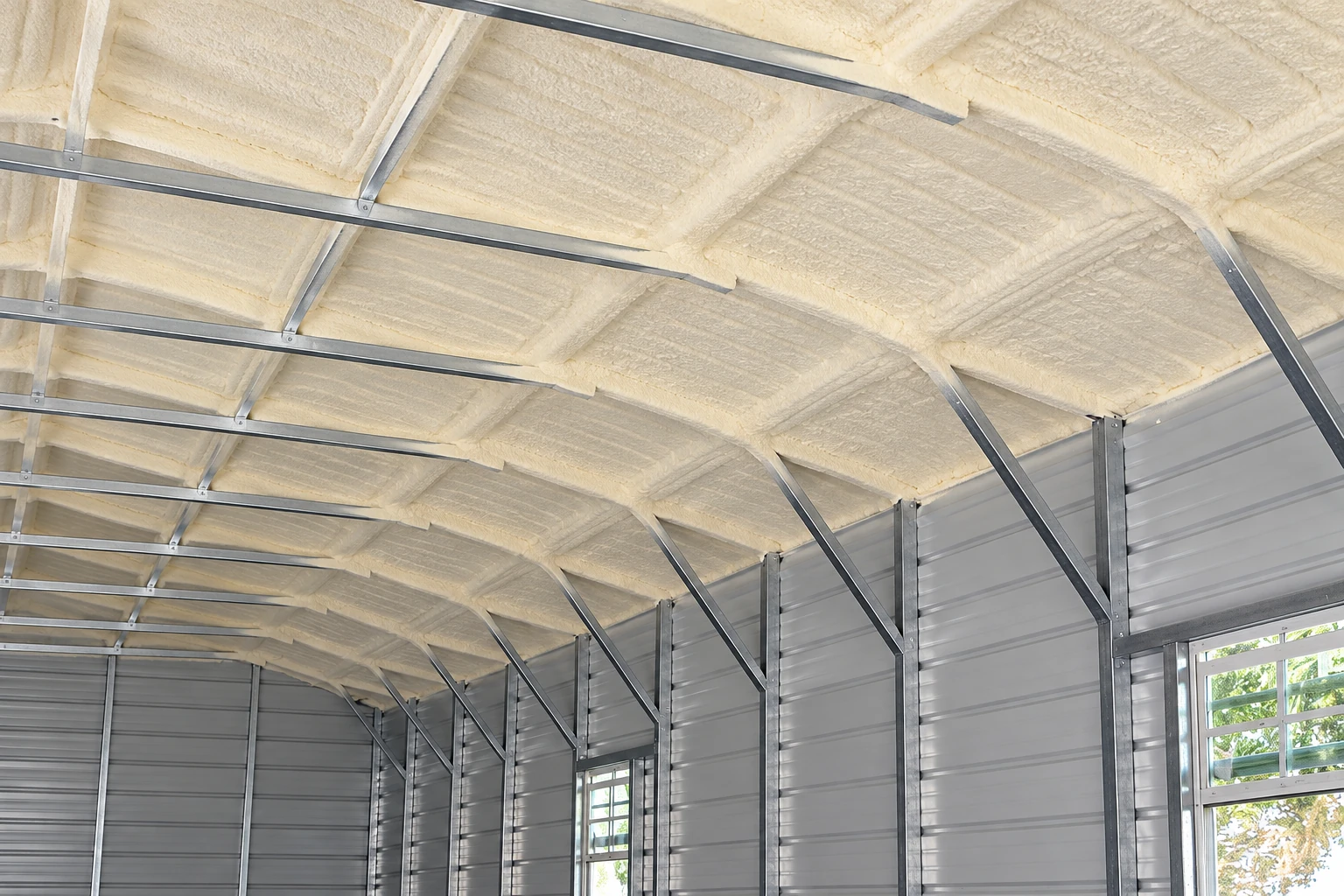
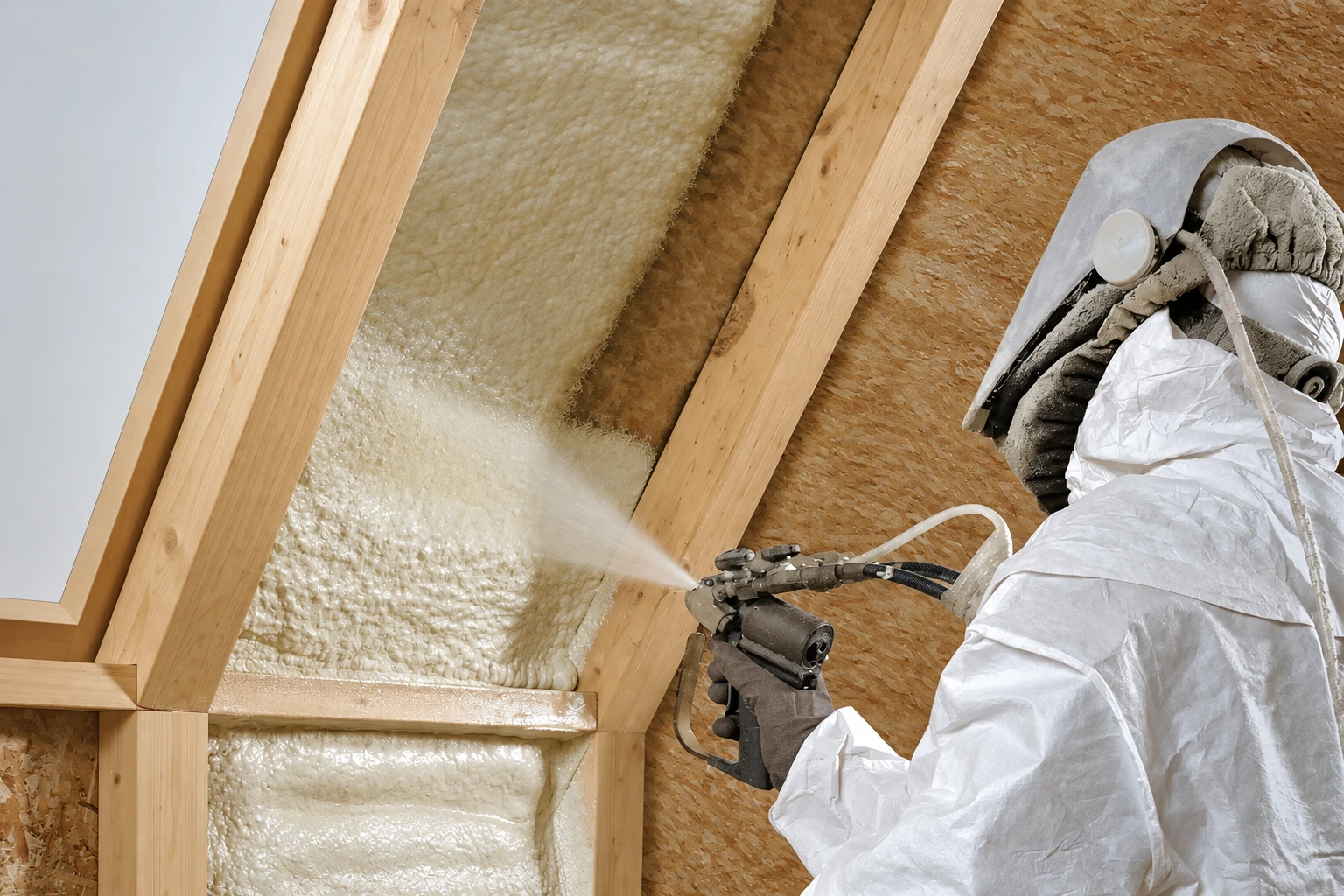
On the walls, foam is often the right call. Closed-cell foam insulation is dense and blocks moisture, so it suits a concrete wall that runs cool. Open-cell foam insulation is lighter and softer, so we'd rather use it in the floor framing above or in interior walls where sound is the bigger worry.
Basement insulation rules in Simi Valley
Whether your basement job needs a permit is the city's call, not mine, so the place to ask is the city's Building and Safety Division, which reviews plans and inspects projects in Simi Valley. If a permit is needed, we file it and meet the inspector on site. If you'd rather pull it yourself, the division has a package for property owners, and I'll walk you through what it asks for. One state rule matters here even on a small job. Once the work needs any permit, or whoever does it hires helpers, California requires a licensed contractor, even if the job comes in under $1,000.
The state's energy code also splits California into climate zones, and the standards for a house's shell and windows depend on which zone it sits in, so what goes on your estimate follows the rules for your address. We're based in Simi Valley and work across the cities around it in Ventura County and the nearby parts of Los Angeles County, and we bring the same water-first check to basements in Thousand Oaks and Moorpark. If you're not sure we cover your city, just ask.
Basement insulation work close up
Get a written scope for your basement
We reply to every message within one business day. I'll set a time to come out, walk the basement with you and put the scope in writing, and the estimate is free at your property with no obligation.
(805) 261-5026Basement insulation questions in Simi Valley
Should I insulate my basement walls or the floor above it?
National building guidance says insulating the basement walls generally performs better, but it often costs more because it takes more insulation and more labor. Some owners insulate at the floor instead to keep costs down, especially in an existing home. In an existing home, wall insulation usually goes on the inside, because digging out the outside is only practical in new construction or when the foundation is being dug up anyway for repair or water work.
How much does basement insulation cost in the Simi Valley area?
Insulating a basement in the Los Angeles area usually costs about $1.50 to $4.50 per square foot installed, which is the going rate in the market, not our price. The size of the area you cover moves the total most, and where the insulation goes changes it too. Your estimate puts your own scope and figure in writing.
What is the best way to insulate basement walls without trapping moisture?
Leave the wall a way to dry, because a vapor retarder, the plastic sheet some people staple over batts, can trap water in a basement wall and lead to mold, odors and rotted framing over time. National building science guidance names kraft-faced fiberglass batts or latex paint on the drywall as options for basement walls. One building science firm's guide calls foam the best basement insulation as long as the wall can still dry toward the room, and in most basement walls foam needs drywall or another fire barrier over it, depending on the local building code.
What should be checked before insulating a basement?
Check drainage and where water goes first, and fix any problem before insulating, which is what national building guidance recommends. The same guidance says to check combustion safety, so we make sure any gas furnace or water heater down there still gets the air it needs and vents properly once the space is tighter. If something needs fixing first, you'll hear about it at the estimate.
Who handles the permit for basement insulation in Simi Valley?
We do, if your job needs one, filing it with the city and meeting the inspector on site. Whether a basement insulation job needs a permit is the city's call, so we settle that before work starts, and if you'd rather pull it yourself, I'll tell you what to bring.
How long does basement insulation take?
The install is usually the quick part, because the schedule mostly turns on whether a water problem has to be fixed first, how big the space is and whether a permit has to be issued before we start. Foam also needs time before you go back into the space, and I'll tell you the re-entry time, how long to stay out, for the product on your job. We set dates together once the scope is settled.
Book a basement visit in Simi Valley
Have the basement's rough square footage and any history of water down there handy when you call (805) 261-5026, so the visit starts from what you already know.