
Home insulation in Simi Valley CA - rooms that hold steady summer and winter
Hot upstairs, drafty rooms or a power bill that keeps climbing? We find where the heat gets in and fix it in the right order.
Request an estimate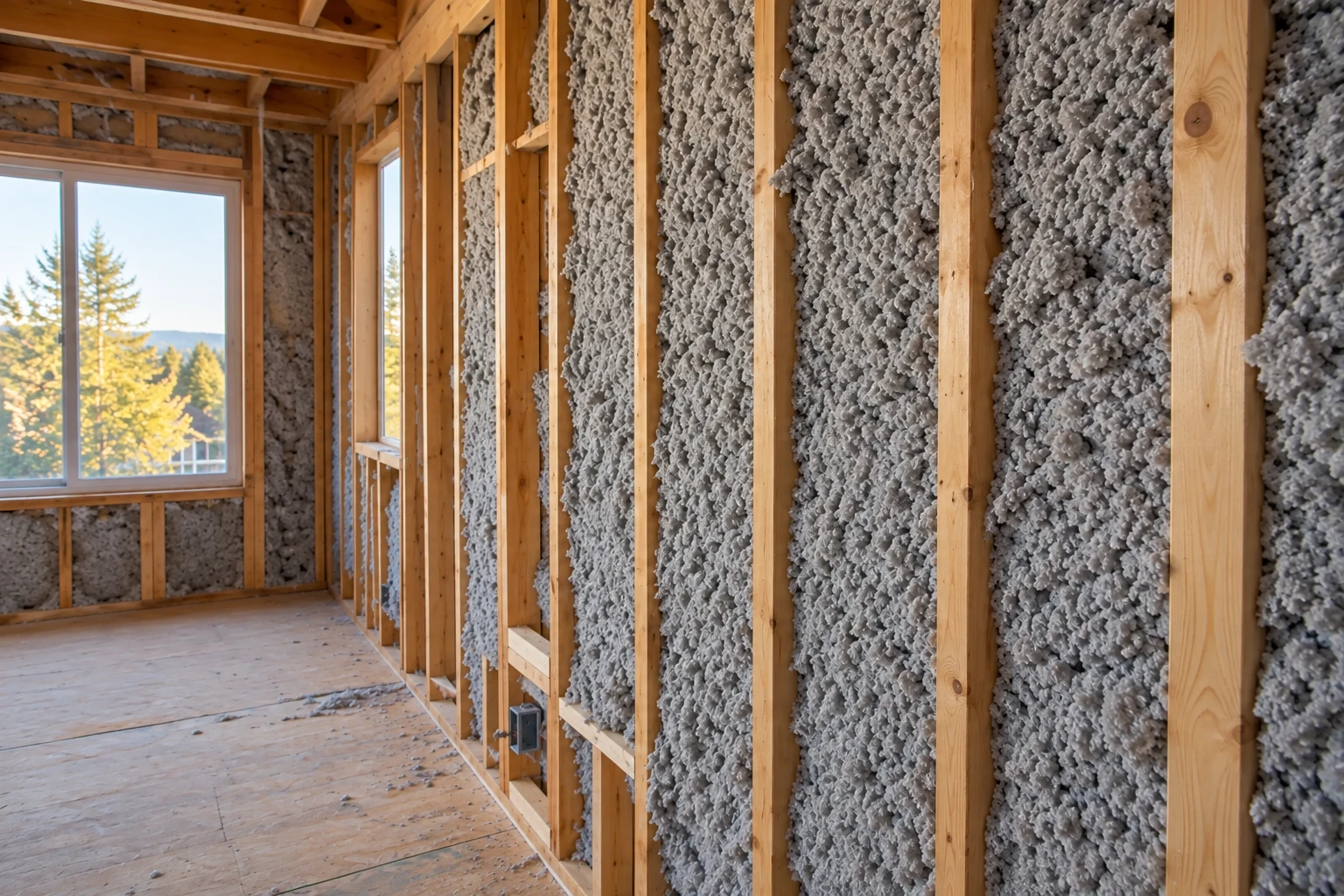
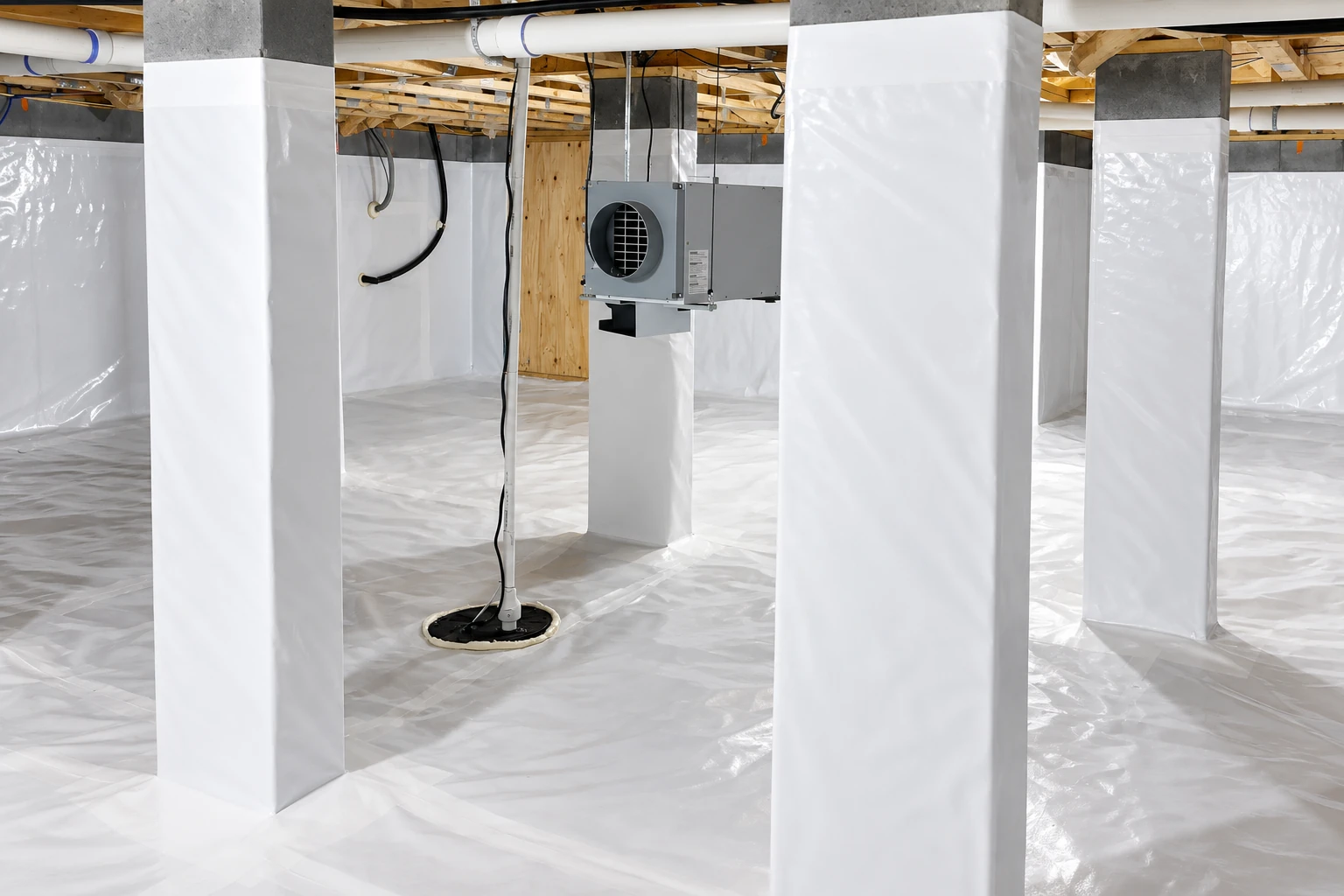
Where should I start insulating my house?
Home insulation in Simi Valley means adding or replacing insulation in your attic, walls or crawl space so the rooms hold their temperature and stay quieter. In most houses the best place to start is the attic, because that's where the most heat comes in.
Most people call us because the room over the garage is an oven by afternoon, the floors are cold in winter, or they just bought an older house and have no idea what's above the ceiling. The price depends on how big the space is, how many inches are already up there, whether old material has to come out first and how much sealing the gaps need. The schedule depends on the same things, plus how easy the attic is to reach. Sometimes attic insulation alone is enough, and sometimes the crawl space matters just as much. I'll tell you which once I've looked, and the scope goes in writing so you can see what each step is for.
How we handle home insulation
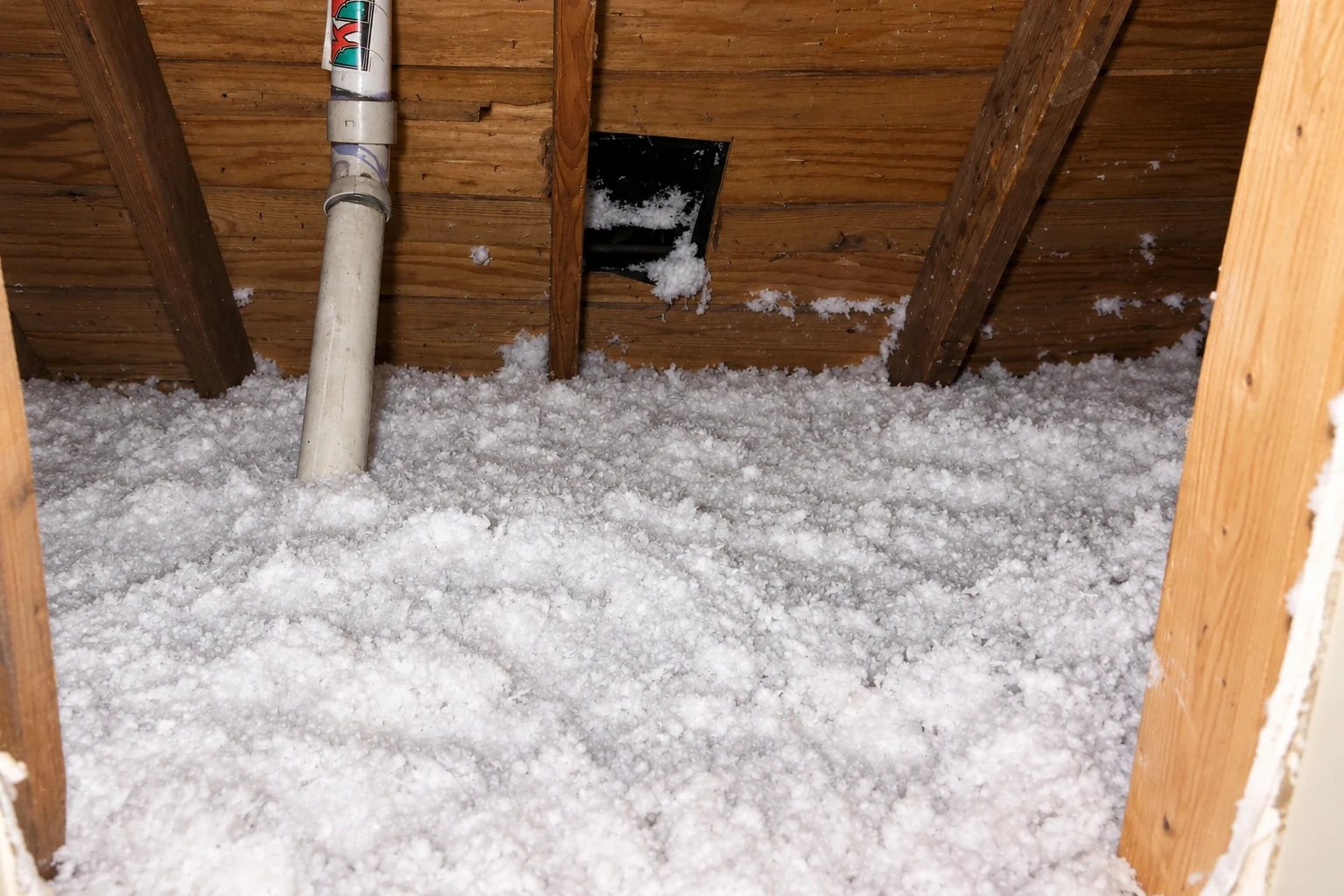
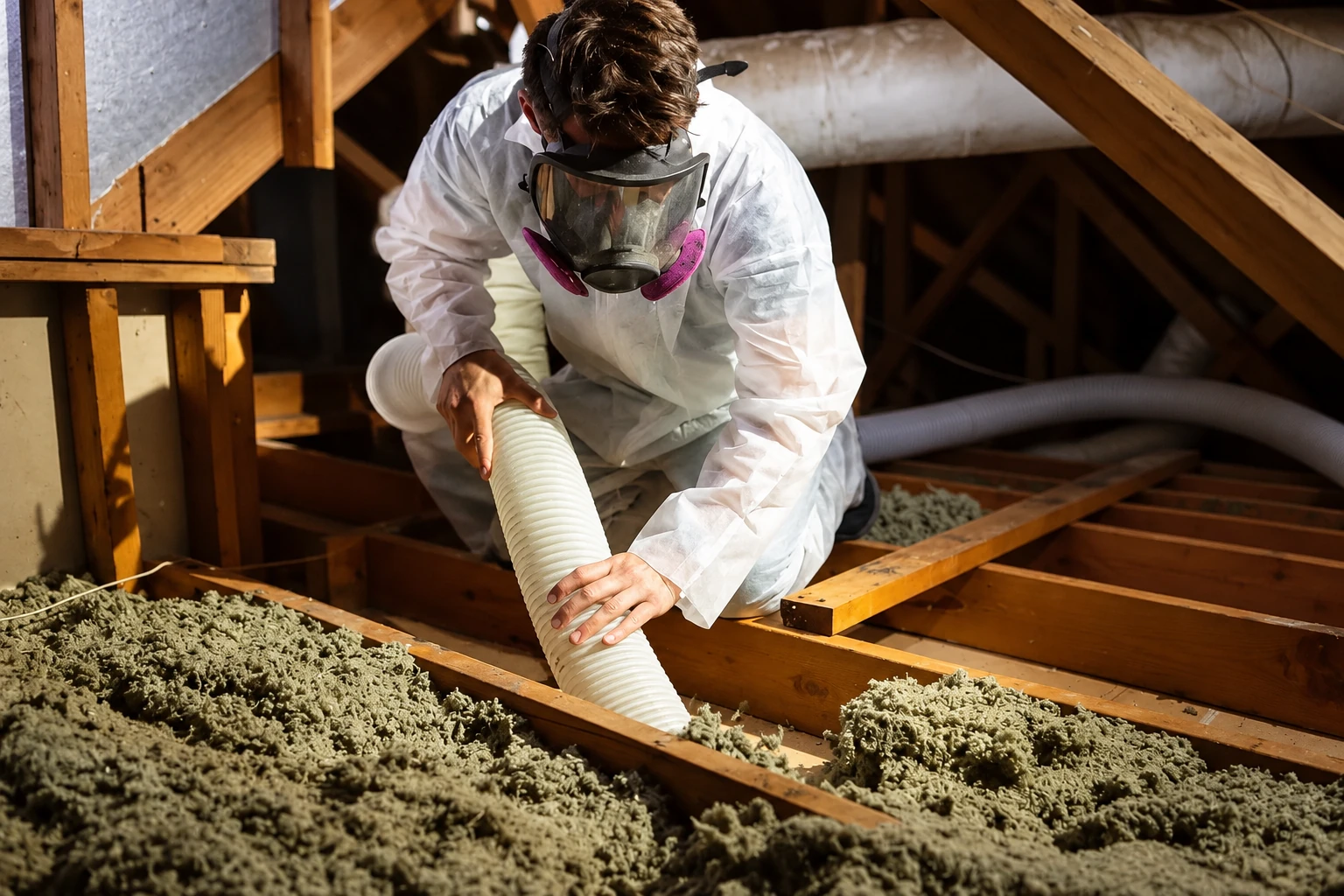
For a whole house, I start by showing you where heat is getting in and which space to tackle first, so your money goes where it helps most. I check the house age, how deep the old insulation is, and whether there's a roof leak, old wiring or droppings that need dealing with before anything new goes in. Then our crew does the air sealing, which means closing the gaps around pipes, wires and the attic hatch so the insulation isn't fighting a draft. We keep insulation off soffit vents and clear of recessed can lights unless they're rated IC, short for insulated ceiling, and we keep the eave vents open so the attic can still breathe. When we blow in new fill, we lay it as deep at the edges as in the middle, because the thin edges are where most jobs come up short. I look over the work before we pack up.
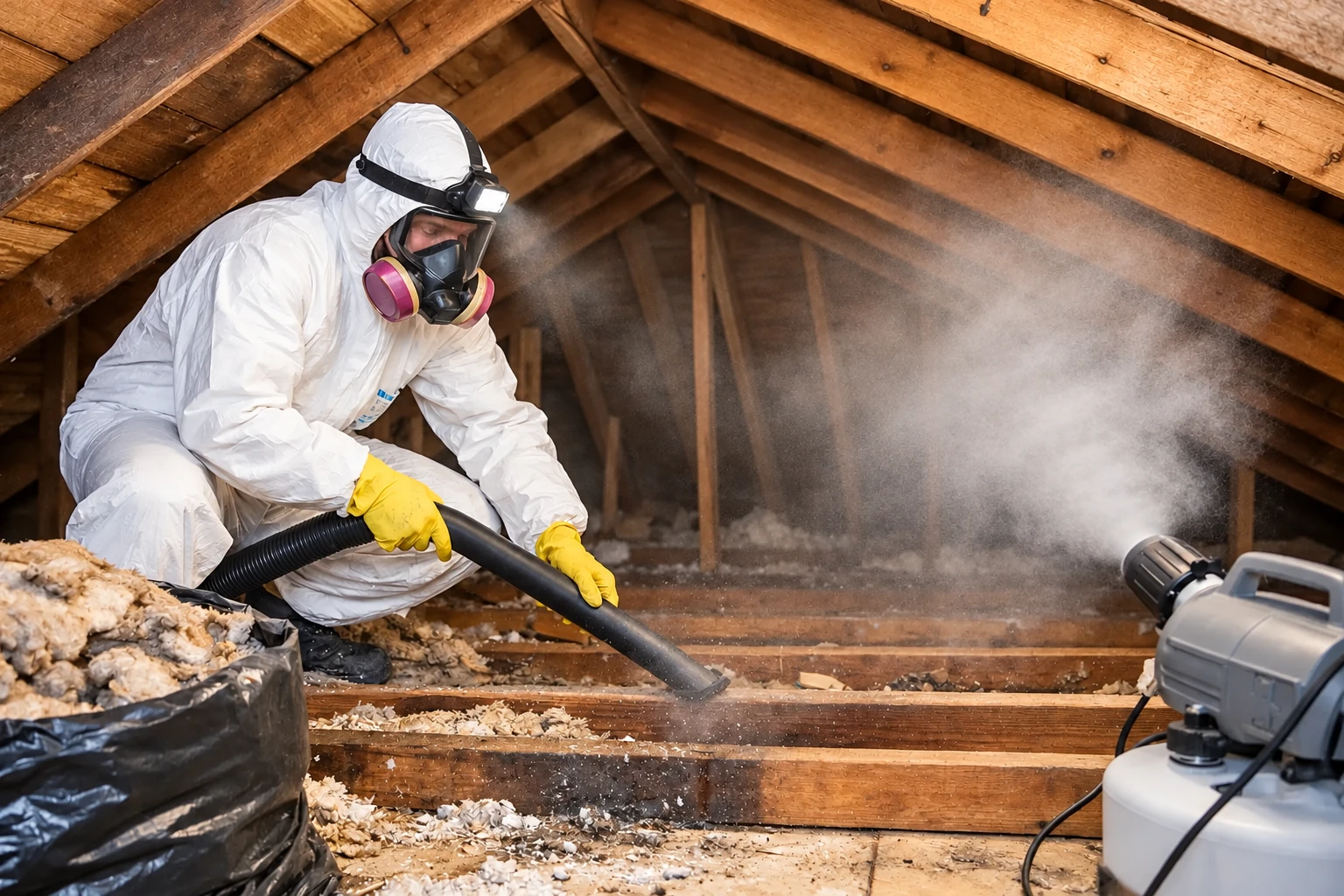
If what's up there now is soaked, flattened or full of droppings, new material on top just hides the problem, so we start with insulation removal and clean out the attic. Cold floors usually point below the house, and crawl space insulation is often the fix there.
Home insulation in Simi Valley and what the city's rules mean for it
Simi Valley has adopted the California Energy Code along with the state's building, electrical, mechanical and plumbing codes, so insulation work here is held to those. One Title 24 report firm puts Simi Valley in California climate zone 9 and says the zone decides what a project's energy paperwork has to meet. The same firm notes that one city can cross more than one zone, so the zone gets confirmed for each address. If you have a question about the codes themselves, the city's Building and Safety line is (805) 583-6723.
Summer heat sits in attics here, and a lot of houses have their ducts running right through that heat, so the attic is usually where we start. We find the same thin, settled insulation and unsealed hatches on jobs in Moorpark and Thousand Oaks.
Insulation work, up close
Get a written plan for insulating your house
We reply to every call and message within one business day. I'll set a time to come out, walk the attic and crawl space with you, and put the scope in writing. The estimate is free, done at your property and comes with no obligation.
(805) 261-5026Home insulation questions from Simi Valley
How much does attic insulation cost in Simi Valley?
In the Los Angeles area, attic insulation usually costs about $1 to $4 per square foot to install, and taking out old insulation adds to that. Where your house falls depends on how much is up there now, how easy the attic is to reach and how much sealing it needs. I put your number in writing after I've seen the space.
Do I need to seal air leaks before adding insulation?
Yes, because money spent on insulation can be wasted if the holes and gaps in your ceilings, walls and foundation stay open. If you have a gas or oil furnace or water heater that vents on its own, ask about testing it before and after sealing, since a tighter house can sometimes pull exhaust back inside.
What should I do if my attic has vermiculite insulation?
Leave it in place until an approved lab has tested it, because vermiculite, a light, gray, flaky fill about the size of a pea, may contain asbestos. Your local health department can give you the name of an approved lab. We won't disturb it or cover it before then.
How do I know if my attic needs a professional before I insulate?
Bring in a professional if you see wet insulation, moldy or rotted rafters, little ventilation, or fans that blow moist air into the attic instead of outside. Houses from before 1930 may have knob and tube wiring, old wiring strung on porcelain knobs, which can be a fire hazard where insulation touches it. I'd rather tell you to fix those first than cover them up.
How much can an insulation contractor ask for up front in California?
On a home improvement job, a California contractor can't ask for a down payment over $1,000 or 10 percent of the contract price, whichever is less. Every other payment has to be listed in the contract and tied to work done or materials delivered.
What license does an insulation contractor need in California?
California's license for this work is the C-2 Insulation and Acoustical Contractor classification, which covers installing any kind of insulation. Ask any contractor you're considering for their license and look it up before you sign.
Book your Simi Valley insulation estimate
Send your ZIP and tell me if you have recessed lights or a gas furnace up there, so I show up knowing what to look for.