
Blown-in insulation in Simi Valley CA - upstairs rooms that stay comfortable
Hot upstairs or a thin, patchy attic? We fix what's up there first, then blow in an even layer that keeps rooms comfortable.
Request an estimate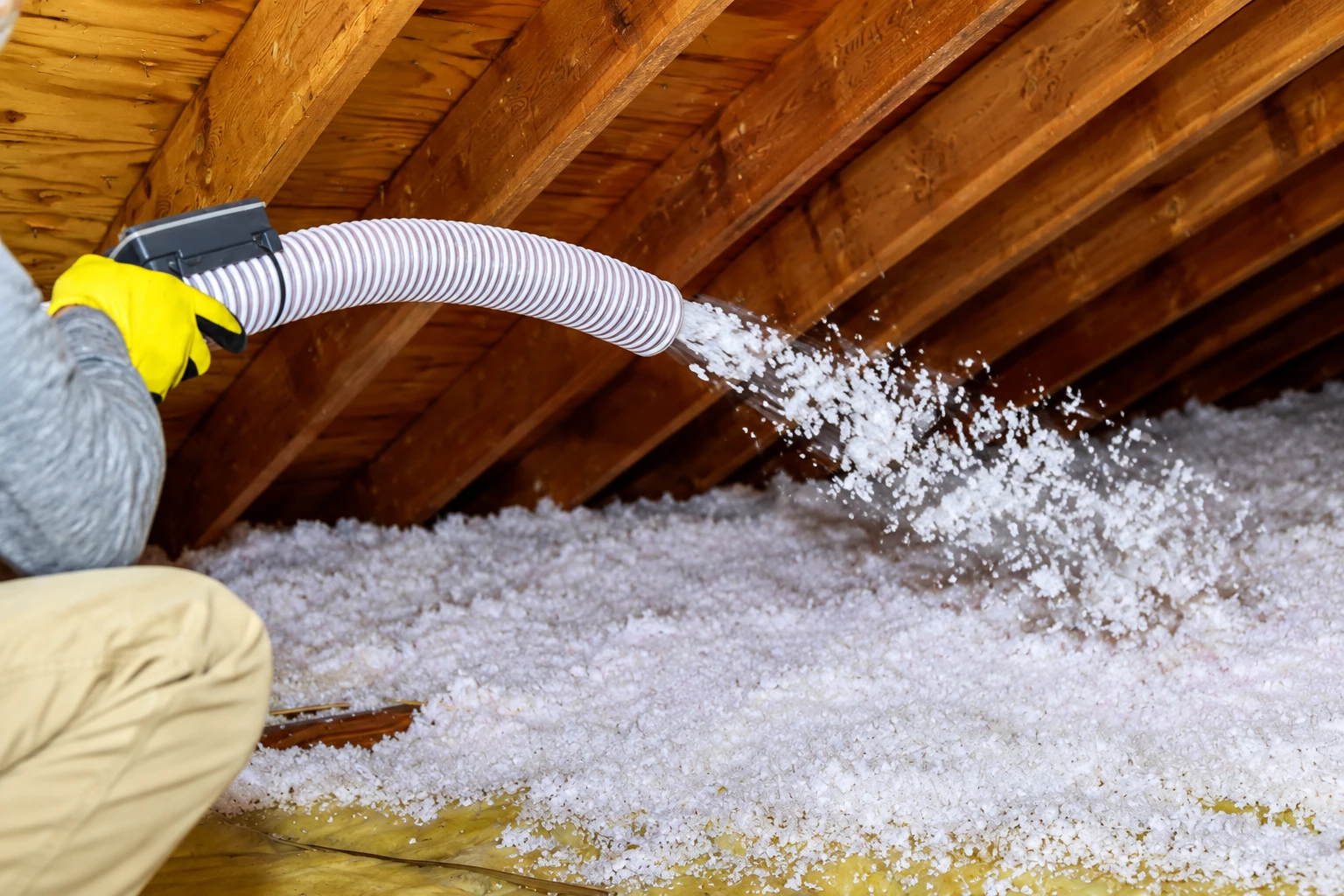
Does my attic need blown-in insulation?
Blown-in insulation is loose cellulose or fiberglass blown through a hose onto your attic floor, and for most Simi Valley houses it's usually the most direct way to cool down a hot upstairs and stop the ceiling from letting summer heat pour through.
Most calls I get start with a hot upstairs bedroom, a drafty room over the garage, or a power bill that climbed after the first summer in a house you just bought. Usually there's a few inches of old, settled insulation up there and a lot of gaps nobody closed, which is why we pair the fill with attic air sealing. The price moves mostly with the size of the attic and what has to happen before new material goes in, like sealing, damming can lights or pulling out a bad layer, and the schedule moves with any repairs that have to come first, such as a roof leak or old wiring. I'll walk the attic with you and put the scope in writing so you know exactly what you're getting.
How we do blown-in insulation
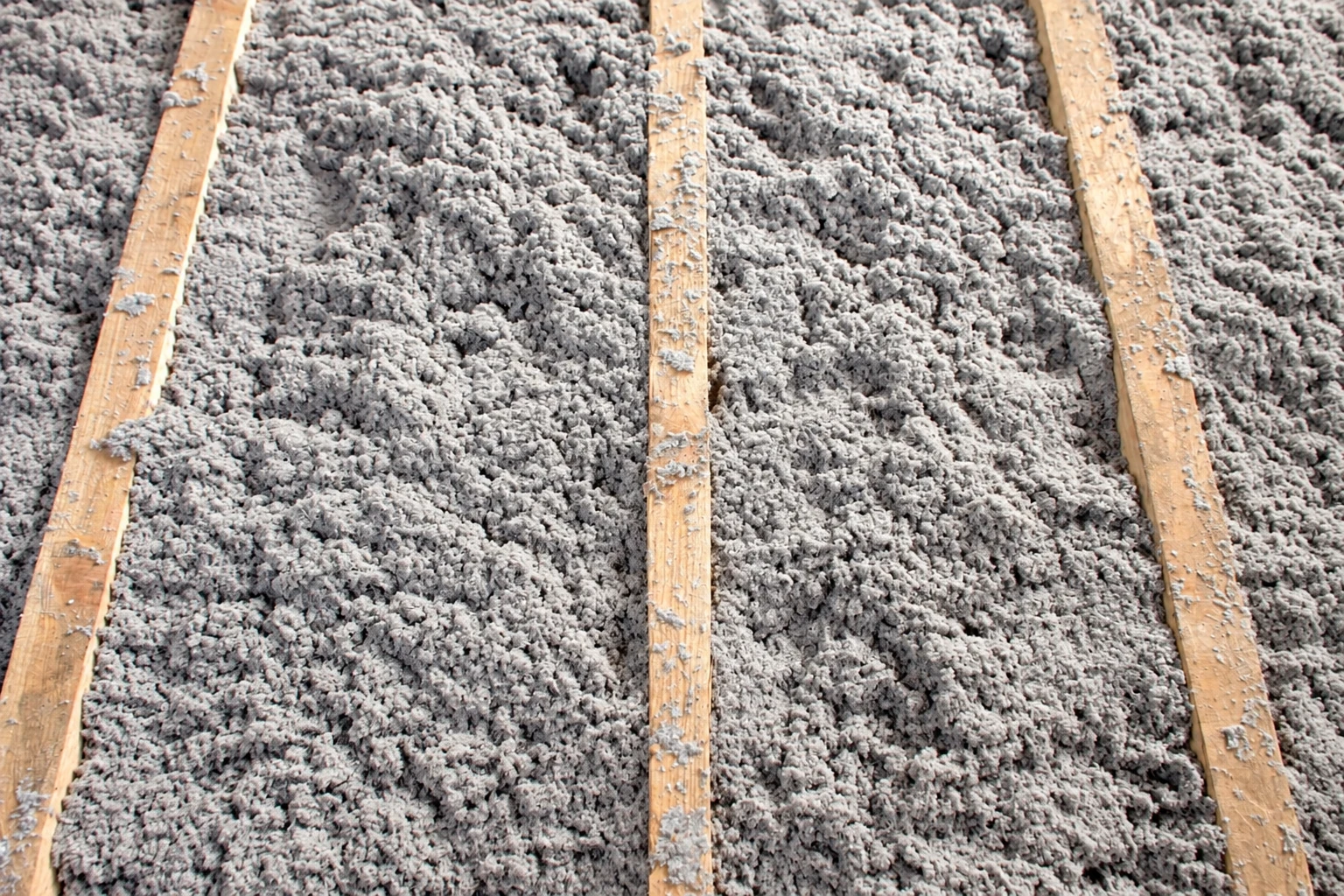
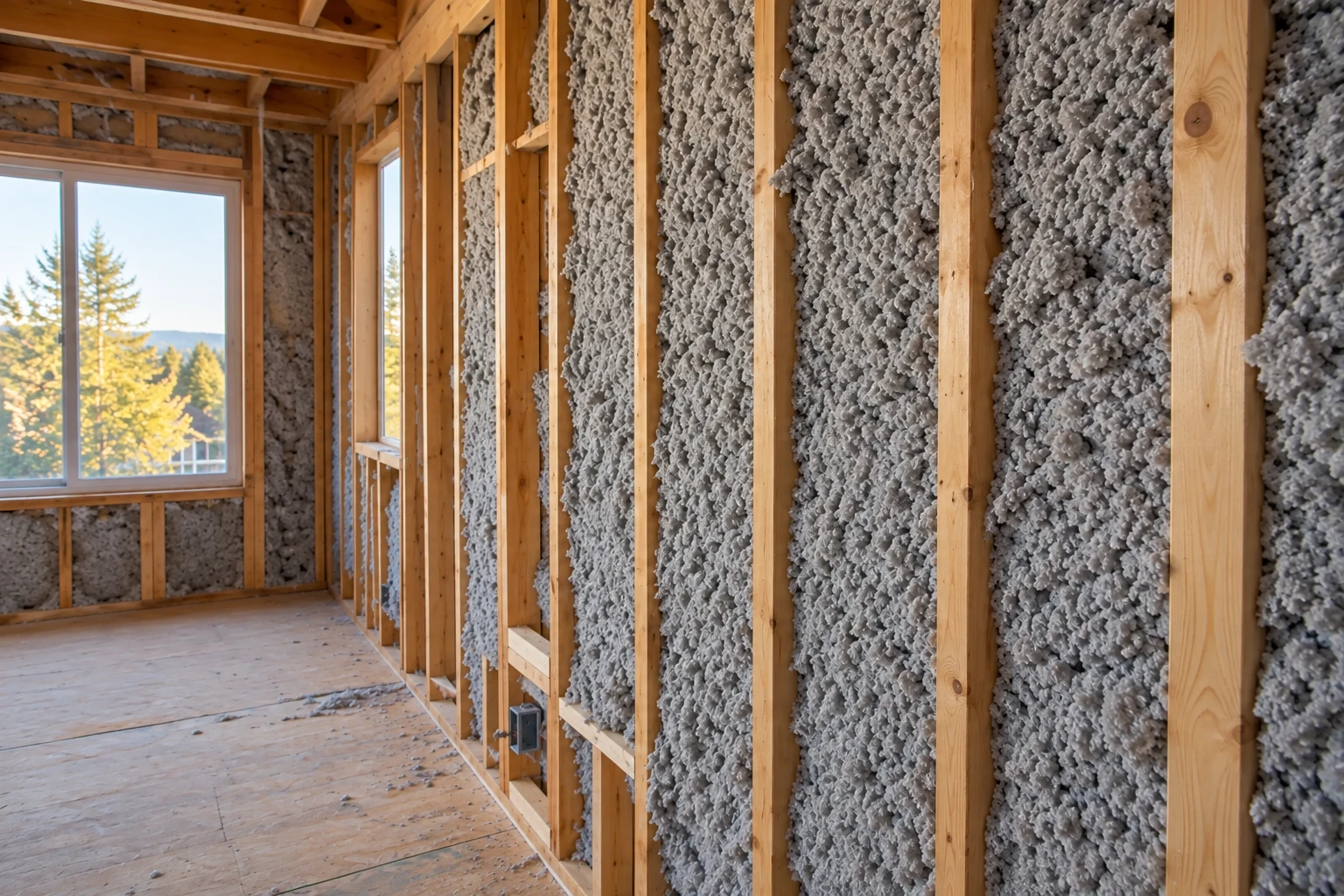
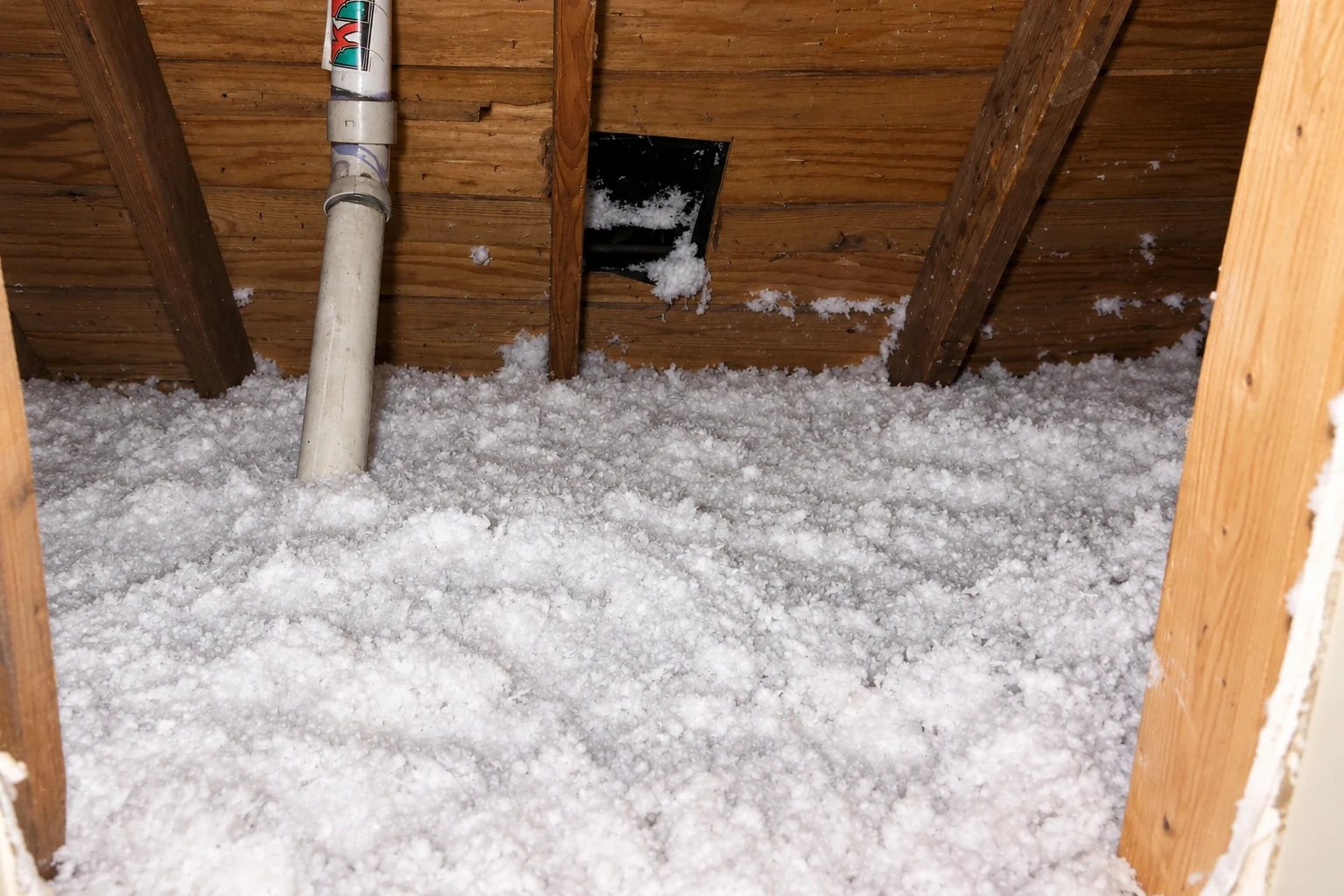
I start by walking the attic with you and a flashlight, measuring how many inches are already up there and looking for anything that has to be fixed before we cover it. Then our crew does the air sealing, closing the gaps around pipes, wires, the hatch and light fixtures, because insulation can't do its job with a draft blowing through it. We set baffles, stiff channels that hold the insulation back from the eave vents, so the attic keeps breathing and the material doesn't spill into the eaves. I pick cellulose or fiberglass based on your attic, things like headroom at the edges and any history of roof leaks, and I'll explain the tradeoff before we start. We blow it in to an even depth all the way out to where the ceiling meets the outside walls, since a layer that's deep in the middle and thin at the edges is backward, and I look over the work before we clean up.
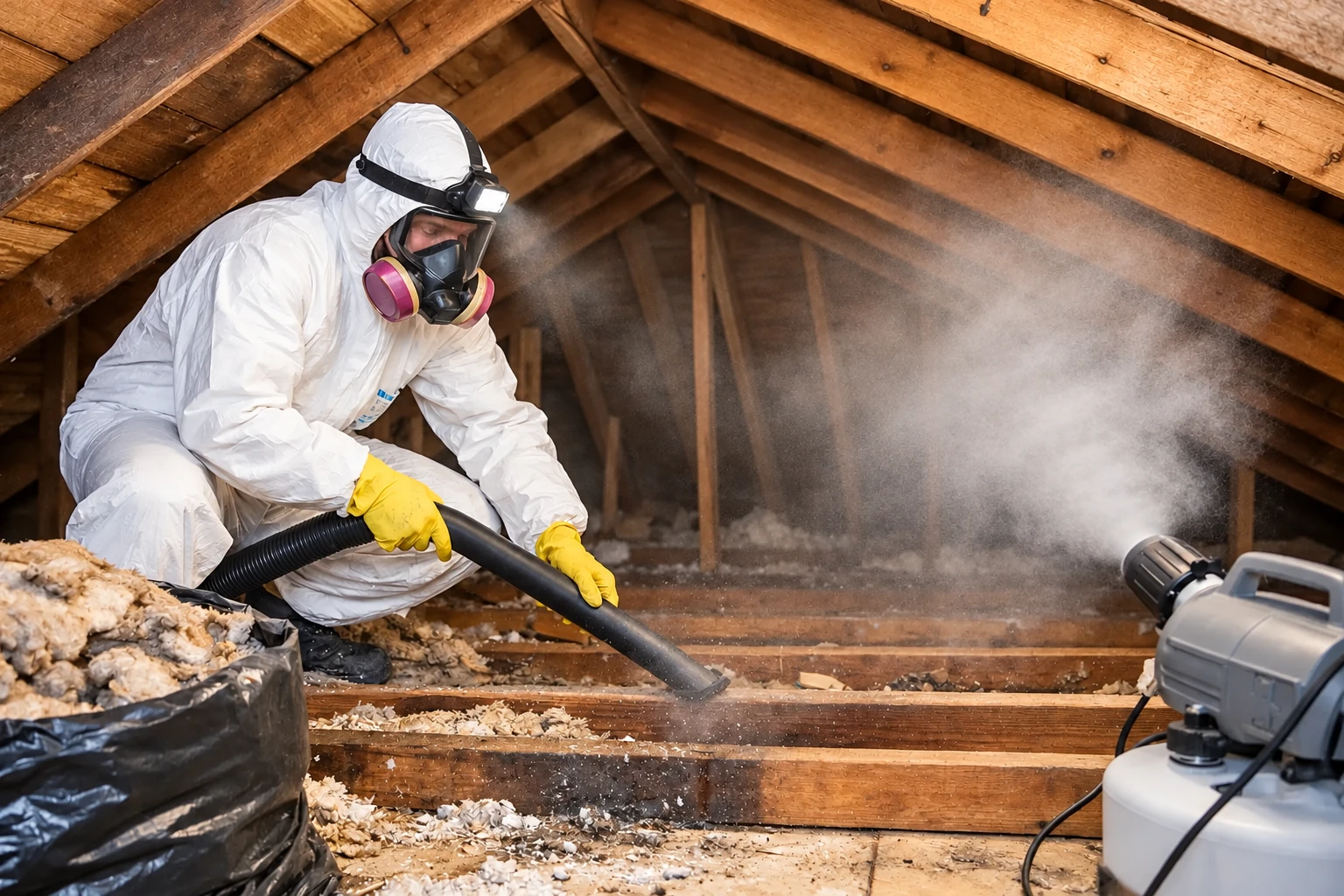
Some attics need more than a top-up. If the old layer is soaked from a past leak, packed flat or full of droppings, we do insulation removal first, because new material over a dirty layer just keeps the problem in your attic. If the attic is one part of a house that's drafty top to bottom, our home insulation work looks at the walls and crawl space too.
Blown-in insulation in Simi Valley and the rules an attic job meets
An attic job here gets measured against state rules, and the city's Building and Safety Division is the office that inspects projects in Simi Valley against the state's building and energy code minimums. State Energy Commission guidance says adding or replacing attic insulation may count as altering the ceiling, which brings in the state's requirements for attic insulation and air sealing, and attic venting that falls short of the building code has to be increased, with exceptions for some existing conditions. Which of those reach your attic depends on what's up there now, so I check your vents and your sealing on the walk-through and write any venting work into the scope.
On jobs around here we mostly see upstairs rooms that bake on summer afternoons, attics insulated once and left to settle, and can lights added in a later remodel. We find the same attics on jobs in Moorpark and Thousand Oaks, and the order of the work stays the same.
Blown-in attic work up close
Get a written scope for your attic
We reply to every call and message within one business day. I'll set a time to come out, walk your attic with you and put the scope in writing, and the estimate is free, at your property, with no obligation.
(805) 261-5026Blown-in insulation questions from Simi Valley
Is cellulose or fiberglass better for my attic?
Neither wins everywhere, because the attic picks the material. One comparison of dry, open attic floors found cellulose gets there with fewer inches, which helps where headroom at the eaves is short, while fiberglass gets there at about a third of the weight, which is easier on an old plaster ceiling or an attic with past roof leaks. I'll look at your edges and your ceiling and tell you which way I'd go and why.
What should be checked in the attic before blown-in insulation goes in?
The attic should be checked for water leaks, moisture, structural damage and pests first, and a federal attic checklist puts those repairs on a list for the homeowner so they get fixed as part of the plan. The same checklist holds the job if there's active knob and tube wiring, the old wiring strung on porcelain knobs, until it's replaced or properly boxed, and stops it if the old insulation is vermiculite, a pebbly gray-brown fill that may contain asbestos. If I find either one, it becomes step one, and I'd rather tell you that than cover it up.
What is the best way to handle recessed lights when blowing in insulation?
Can lights that aren't IC rated, the rating for fixtures built to touch insulation, have to be dammed off so the insulation stays clear of them. The state Energy Commission calls those fixtures a serious fire hazard when they're surrounded by flammable material, so we check each can from above and build the dams before anything gets blown in.
Who is licensed to do insulation work in California?
Insulation work in California falls under the C-2 Insulation and Acoustical Contractor class, which the state licensing board defines as installing any insulating material for temperature or sound control. You can read what the C-2 class covers on the board's site, and it's fair to ask any contractor which license they hold.
How do I find out what blown-in insulation will cost in Simi Valley?
The way to get a real number is an estimate at your house, because the price turns on what's in your attic and not just its size. Pulling out a bad layer, the amount of sealing, the number of can lights to dam and any repairs that come first move it the most, and I put the scope in writing so you can see what's included.
How long does blown-in insulation take, and do we have to leave the house?
Most families stay home during a blown-in job, since the work happens in the attic and the hose comes in through the hatch. How long the crew is up there depends on the attic's size and how much sealing and prep it needs, and I'll lay out the day at the estimate. It gets dusty near the hatch, so keep kids and pets out of that hallway while we work.
Book an attic check in Simi Valley
Call (805) 261-5026 or use the form, and mention any past roof leaks, can lights or old knob and tube wiring so I know what to look for when I come out.